
Commissioned visualization boards
Large inked sheets of a named night’s streaming metrics, drawn after a briefing or from a clean log you already trust.
Printed reads of live numbers · Tbilisi
Tbilisi · Level 7 · live numbers read in the room
When a feed is moving and the room cannot agree what the last hour meant, the Pekini Street desk sits with the numbers until they can be said in ordinary sentences.
Broadcast control rooms, venue boxes, transit desks, and energy night shifts send us the live figures they already have. We do not install a login. We come to the table with pencils, A2 sheets, and a named reader. The session ends with two annotated boards and a one-page after-note that a duty editor can pin beside the monitor.

The live metrics briefing is the hour we are hired for. One metric family only: stream health and audience share, or occupancy and throughput, or load and lag. Ninety minutes. Two people from your side who can explain the feed without a slide deck.
Before the chair is pulled out, we ask for forty-eight hours of figures and a sentence about what broke last week. During the sitting we mark the boards in front of you. Afterward the sheets go up in the room that actually watches the stream. If the hour still feels muddy, we say so on the after-note rather than inventing a tidy ending.
How a live metrics briefing runsLarge inked sheets of a named night’s streaming metrics, drawn after a briefing or from a clean log you already trust.
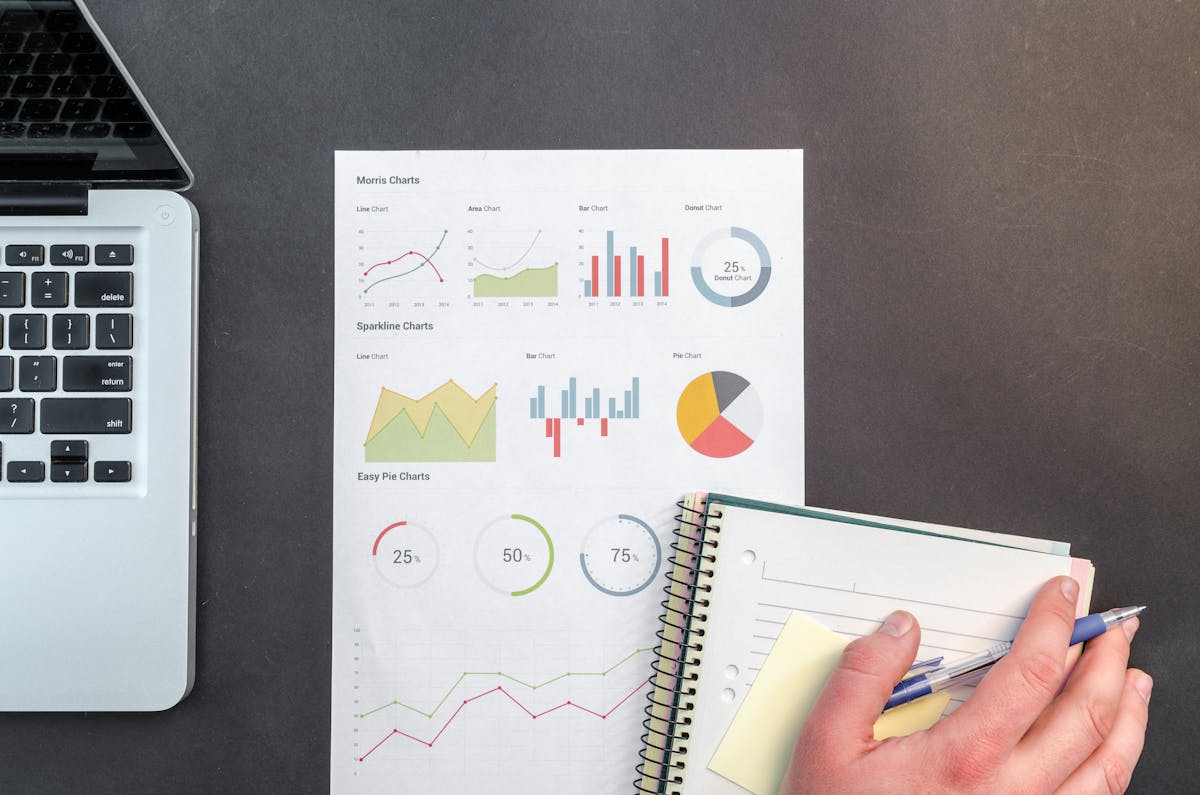
A written assessment of which live numbers on your stream deserve ink, and which only add noise to the wall.

A retained Monday sitting that rereads the same streaming metrics each week after a first briefing has proved the rhythm.
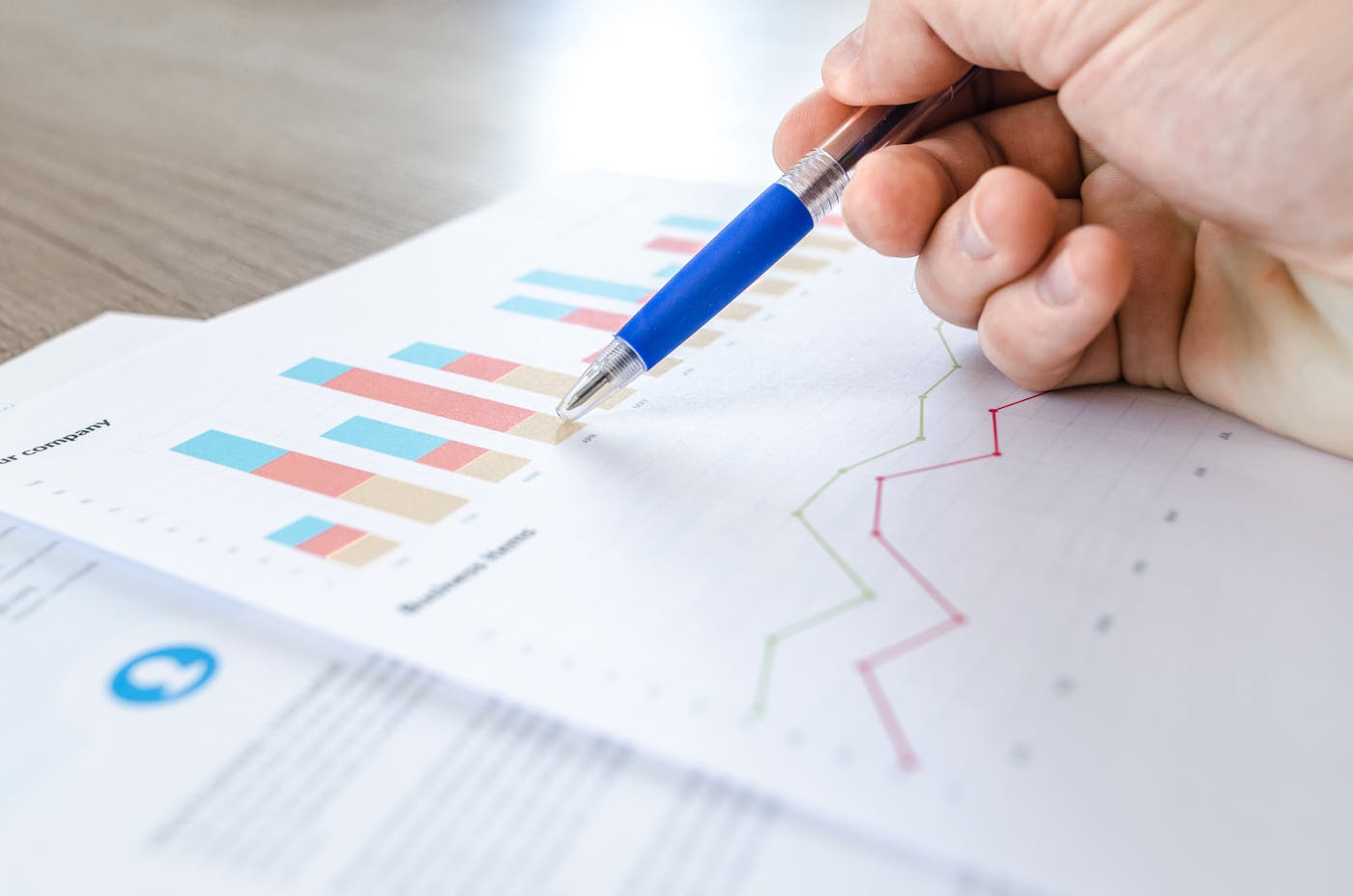
Selected boards stay in our Pekini Street corridor until the client takes them. They are not screenshots. They are large sheets with the live numbers of a named night: bitrate drops during an encore, headcount against ticket scans, a load curve that bent when a second encoder came up. If a board would help your room, commission one after a briefing or on its own.
Look through selected boardsThey made us sit until we could say the 21:14 dip in one sentence. The after-note is shorter than our old incident log and more useful to the morning editor.
I thought a board would just copy the monitor. It did not. It named the door lag and left the till off, which annoyed merchandising and helped the stewards.

A briefing slot is not held until the desk has a clocked sample of the feed. Here is what we will accept, and what we send back.

Audience share and encoder temperature do not belong on the same A2 sheet. A note on why we refuse mixed families.

How a Pekini Street sitting treats a live concert feed: cue times, bitrate, and the minute the lighting circuit joins the story.